Homeowners insurance is often viewed as protection for major events like fires, storms, or hail damage. But when issues such as mold or termites appear, many homeowners are surprised to learn that coverage works differently.
For Monument residents reviewing their homeowners insurance coverage, it is worth understanding how these situations are typically handled. Mold damage and termite damage can both be expensive, but whether insurance helps often depends on what caused the problem in the first place.
Does Home Insurance Cover Mold?
The short answer is: sometimes.
Home insurance generally focuses on sudden and accidental damage, not problems that develop gradually over time. Mold coverage often depends on how the mold started.
Mold that develops after a sudden covered event may have some protection available. For example, this could include a burst pipe inside the home, water damage from a covered appliance failure, or storm-related water intrusion tied to a covered loss. If the underlying event is covered, the resulting mold remediation may also qualify for coverage up to policy limits.
However, mold caused by long-term issues is usually excluded.
Examples often not covered include:
- Slow leaks under sinks
- Ongoing humidity problems
- Deferred maintenance
- Poor ventilation
- Water damage that was not addressed promptly
Insurance companies often view these situations as maintenance concerns rather than accidental losses.
Colorado Climate Can Still Create Mold Risks
Even though Colorado is known for its drier climate, mold still happens. Snow accumulation, spring moisture, roof leaks, plumbing problems, and basement water intrusion can all create conditions where mold develops.
Homeowners reviewing Monument homeowners insurance policies sometimes assume mold is automatically included because it involves property damage. In reality, policy language and cause of loss matter quite a bit.
What About Termite Damage?
Termites are different.
In most cases, home insurance does not cover termite damage.
Insurance companies usually classify termites as a preventable maintenance issue because infestations tend to develop gradually over time.
Damage often occurs over months or even years before it becomes visible. Because of that, insurers generally place responsibility on property maintenance and prevention rather than insurance coverage.
Termite damage can create several expenses for homeowners, including structural repairs, wood replacement, pest treatment services, and repairs to flooring, framing, or walls. Depending on how long the infestation goes unnoticed, these costs can become significant.
Unfortunately, these costs can add up quickly.
Why Insurance Treats Mold and Termites Differently
The difference often comes down to cause and timing.
Insurance is designed for unexpected events.
A hailstorm damaging a roof? Typically sudden.
A burst pipe flooding part of the home? Often sudden.
Termites slowly damaging wood over several years? Usually considered preventable.
Mold from years of unnoticed moisture? Often viewed the same way.
The question insurers frequently ask is not simply what happened, but how it happened.
That distinction can determine whether coverage applies.
Ways Homeowners Can Help Reduce Risk
While insurance may not cover every situation, homeowners can take steps to reduce the chances of mold or termite problems becoming larger issues.
Watch for Moisture Early
Small leaks can become expensive repairs when ignored.
Keep an eye on:
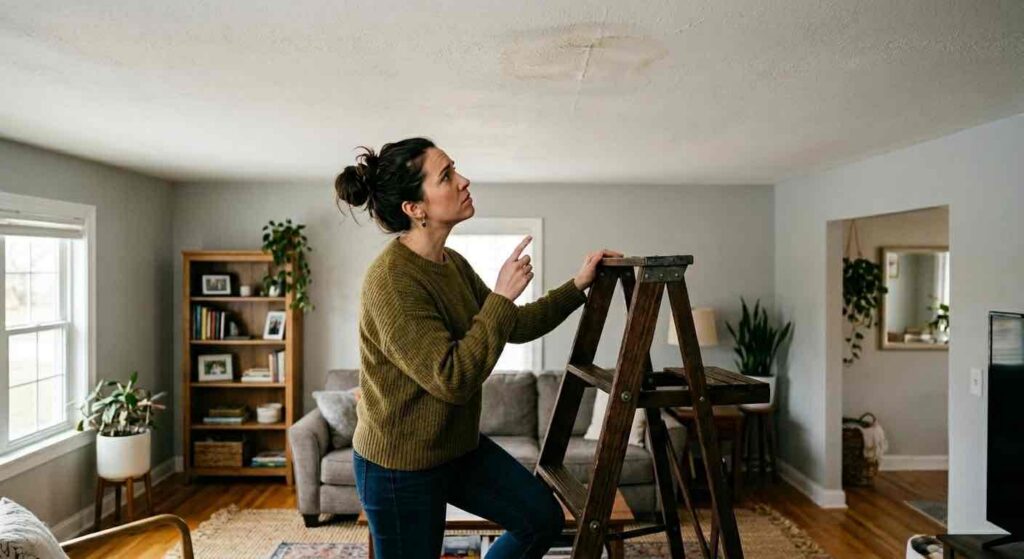
- Water stains
- Musty odors
- Damp basement areas
- Condensation around windows
- Plumbing leaks
Addressing moisture early may help prevent mold growth.
Schedule Regular Inspections
Termite inspections can identify activity before significant damage occurs.
This can be especially helpful for older homes or properties with wood structures near soil contact.
Review Your Policy Periodically
Coverage varies between policies.
Some homeowners add endorsements or optional protections that may provide broader coverage for certain water-related situations.
Homeowners comparing Monument homeowners insurance options often discover differences in deductibles, exclusions, endorsements, and limits that they were not aware of.
A policy review can help clarify what protection is already in place.
Understanding Coverage Before a Problem Happens Matters
Mold and termite issues rarely happen at convenient times. By the time damage appears, homeowners are often focused on repairs and costs.
Knowing ahead of time how coverage works can help avoid surprises later.
If you have questions about homeowners insurance or want to review your current policy, our team at Warrior Insurance is here to help. Call our office or reach out through our website to discuss your coverage and make sure it still fits your home and goals.