
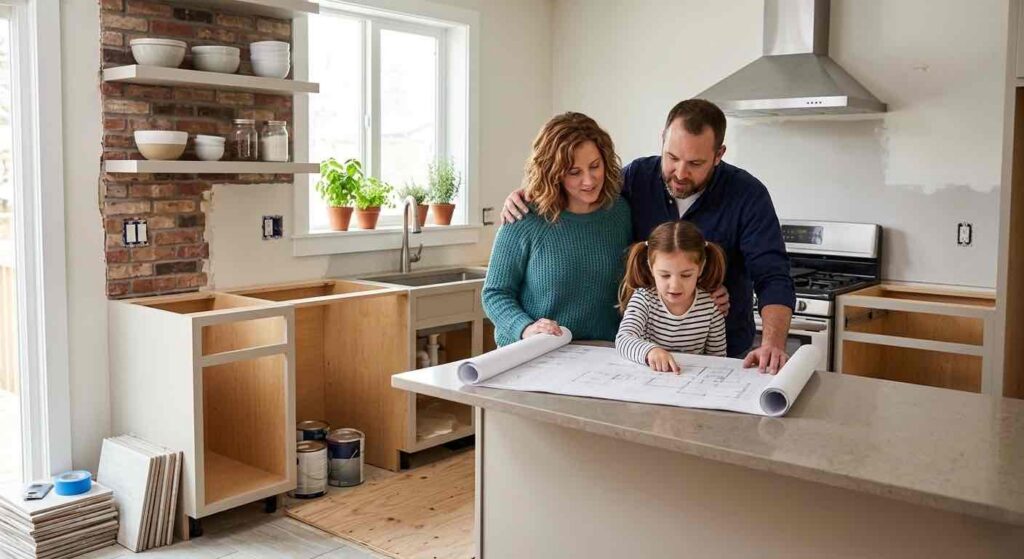
Home renovations can be exciting. Whether you are updating a kitchen, finishing a basement, adding a larger outdoor living space, or remodeling an older bathroom, improvements often make a home more functional and enjoyable. At the same time, renovations can also affect your insurance coverage in ways many homeowners do not think about until a problem arises.
For residents in Colorado Springs reviewing their homeowners insurance coverage, renovations are often a good reminder that insurance should evolve along with the property itself. Even projects that seem fairly straightforward can change rebuilding costs, liability exposure, and the type of protection that makes sense for your home.
Why Renovations Can Affect Insurance Coverage
One of the biggest reasons renovations matter is that they often increase the value of your home. If your policy limits were based on the property before upgrades were completed, your current coverage may no longer reflect what it would cost to repair or rebuild the home today.
For example, installing custom cabinetry, replacing flooring, upgrading countertops, or expanding square footage can significantly increase reconstruction costs. The same is true for finished basements, detached garages, and outdoor entertainment spaces.
Many homeowners assume their policy automatically adjusts as the home improves, but that is not always the case. Reviewing coverage after major renovations can help reduce the risk of being underinsured later.
Throughout Colorado Springs and surrounding Colorado communities, homeowners are investing more into their properties than they did several years ago. Construction costs have also changed considerably, which makes periodic insurance reviews even more important.
Some Renovations Can Actually Lower Risk
Not every renovation increases insurance concerns. Some upgrades may actually reduce risk and improve insurability.
Replacing an aging roof, updating electrical systems, modernizing plumbing, or installing smart leak detectors can help lower the likelihood of certain claims. Security systems and impact-resistant materials may also improve safety and reduce exposure to damage.
Older homes sometimes carry higher risks because of outdated systems behind the walls that homeowners rarely think about until something fails. Renovations that address those issues may improve both safety and long-term protection.
That is one reason many homeowners contact their insurance advisor before starting major projects rather than waiting until the work is complete.
Liability Risks Can Change Too
Certain renovations increase liability exposure in addition to increasing property value.
Swimming pools are one of the most common examples. Trampolines, retaining walls, outdoor kitchens, and large gathering spaces can also create additional risks. If your renovation changes how people use the property or increases the likelihood of injuries, liability coverage deserves a closer look.
Finished guest suites and detached living spaces can also affect insurance needs, especially if the space may eventually be rented out or used differently than originally intended.
For many homeowners, these conversations are not necessarily about adding more coverage everywhere. They are about making sure the policy still matches the reality of the property.
Renovation Projects Create Temporary Risks
Insurance concerns do not only apply after renovations are complete. The construction process itself can create temporary risks as well.
Before work begins, homeowners should confirm that contractors are properly licensed and insured. If property damage occurs during construction or someone is injured on the job site, insurance questions can become complicated quickly.
Depending on the size of the project, your insurance company may also want to know that renovations are actively underway. Large remodels, additions, or long-term construction projects sometimes require temporary coverage adjustments.
Keeping your carrier informed during major projects can help avoid unpleasant surprises if something happens during construction.
Detached Structures Often Get Overlooked
Many homeowners focus only on the house itself and forget about detached structures during renovations.
Detached garages, workshops, sheds, fences, pergolas, and outdoor entertainment areas may have separate coverage limitations under a homeowners policy. If those structures become more valuable after renovations, existing coverage limits may no longer provide enough protection.
Outdoor living upgrades have become increasingly popular throughout Colorado. Covered patios, fire features, upgraded landscaping, and outdoor kitchens can all add significant value to a property.
Renovations Are a Good Time to Review Other Policies Too
Major home projects are often a reminder to review insurance more broadly. Many homeowners who periodically review their Colorado Springs auto insurance coverage also choose to revisit homeowners coverage at the same time.
This can be especially helpful if renovations include detached garages, EV charging equipment, or expensive tools and equipment stored on the property. Even smaller upgrades completed over several years can gradually change the overall value of what needs to be protected.
Insurance reviews do not always lead to major changes. Sometimes they simply confirm that current coverage still fits the home and lifestyle you have today.
Final Thoughts
Home renovations are often a worthwhile investment, but they can also change insurance needs more than many homeowners expect. A policy that worked well several years ago may no longer fully reflect the property after upgrades and additions.
At Warrior Insurance, we help homeowners review coverage as their homes and lifestyles change. Whether you are planning renovations, updating your property, or reviewing your Colorado Springs homeowners insurance, our team is available to help. Call our office or reach out through our website to schedule a policy review.
